Modern beauty tools are moving beyond novelty. Consumers now want visible results, safer routines, and products that fit real life. The best devices must feel practical in a crowded bathroom, not complicated laboratory equipment. A quiet facial cleanser, a cordless LED mask, or a precise styling tool can save several minutes each morning.
This guide explores what consumers want from modern beauty tools through seven important expectations: proven performance, gentle materials, simple controls, portability, personalization, hygiene, and honest pricing. Dermatologist Dr. Hadley King has emphasized, “Sunscreen is the most important anti-aging product.” Her point applies beyond sunscreen. Beauty technology should support proven skincare habits rather than distract from them. A bright display cannot replace daily protection, consistent cleansing, or professional advice when skin problems persist.
Consumers also want evidence. They notice temperature settings, battery life, cleaning instructions, ingredient compatibility, and independent testing. They want to know whether an LED mask feels warm, whether a microcurrent device needs conductive gel, and whether a heated brush may damage fine hair. These details matter. Not every glowing review is reliable. Some popular claims still need stronger clinical support, and that is worth admitting. Modern tools can improve routines, but they cannot promise perfect skin overnight. The strongest options combine thoughtful design, realistic expectations, and guidance from qualified professionals. This introduction sets the stage for seven beauty tools that respond to everyday needs, while recognizing that convenience should never outrank safety or evidence.
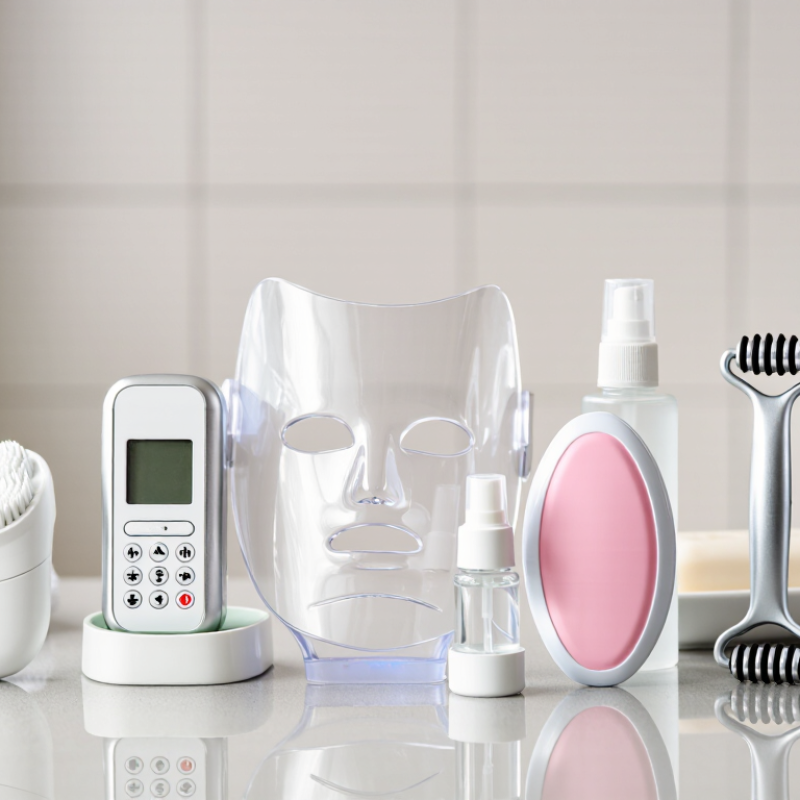
Modern beauty tools have changed from simple manual accessories into targeted devices designed for speed, comfort, and measurable routines. Facial cleansing brushes, LED masks, microcurrent tools, heated styling brushes, epilators, scalp massagers, and skin analyzers now serve different daily needs. Their shared purpose is convenience, not instant transformation.
Earlier tools depended mostly on hand pressure and personal technique. Newer devices may use timers, temperature controls, motion sensors, or adjustable intensity settings. These features can reduce guesswork and make routines more consistent. In practice, a cleansing brush feels useful when it prevents over-scrubbing. A heated brush is more practical when it offers stable heat and clear safety controls. The device must fit real habits.
Not every upgrade is meaningful. I still question tools that promise dramatic results without credible testing or clear usage instructions. Consumers should check electrical safety, skin sensitivity guidance, cleaning requirements, and return policies. Professional experience also shows that regular use matters more than a complicated feature list. A reliable tool should feel comfortable, simple to maintain, and honest about its limits.
Results can vary with age, skin type, hair texture, and existing conditions. Some users may notice little change, even after careful use. That is not failure; it is useful feedback. Modern beauty technology works best as a controlled addition to personal care, rather than a replacement for medical advice or basic hygiene.
Modern beauty tools are changing because consumers want practical control, not complicated routines. Smart devices now combine sensors, timers, and adjustable settings for more personalized care. The seven tools drawing attention include LED masks, microcurrent devices, cleansing brushes, facial steamers, heated eye masks, scalp massagers, and skin-cooling rollers.
Convenience is a major reason people choose them. A device that fits into a ten-minute evening routine feels easier than booking frequent appointments. Sensors may track contact, temperature, or treatment time. That feedback can help users avoid excessive pressure or heat. It also makes routines feel more measurable. Small details matter.
Personalization matters too. Dry skin, sensitive skin, and uneven texture need different approaches. Smart controls can support gentler settings, but they cannot replace professional diagnosis. Clinical guidance generally recommends checking safety instructions and stopping when irritation appears. Clean the device after use. Never share it casually.
In my view, the best tool is not always the most advanced one. It is the one a person can use consistently and correctly. Still, convenience can create false confidence. More features do not guarantee better results. Some users may also mistake temporary smoothness for lasting improvement. This is where careful expectations matter. Consumers increasingly want evidence, transparent instructions, and reliable materials, even when shopping for attractive technology.
Modern beauty routines work best when tools solve specific problems, not when they crowd the bathroom. Seven useful choices cover skincare, haircare, and grooming: a soft cleansing brush, facial roller, wide-tooth comb, scalp massager, controlled hair dryer, precision trimmer, and stainless-steel tweezers. Each tool should feel comfortable and easy to clean. A cleansing brush can remove sunscreen residue, but excessive pressure may irritate sensitive skin. A roller may reduce temporary puffiness, although it cannot replace sleep or medical care.
For haircare, use a wide-tooth comb on damp hair, starting at the ends. A scalp massager can spread shampoo gently without scratching. A hair dryer with adjustable heat gives better control; keep it moving and several inches away. For grooming, a precision trimmer helps shape sideburns, brows, or facial hair. Tweezers are useful for isolated hairs, but disinfect them before and after use. I sometimes use too many tools in one routine, and my skin notices. Simpler is often safer.
Tips: Clean reusable tools after every session and let them dry fully. Patch-test new skincare tools on a small area first. Stop if you notice burning, swelling, or persistent redness. Replace worn combs and dull trimmer heads. Never share tools that touch skin closely. Track changes for two weeks before judging results. Good technique matters more than expensive equipment, though consistency remains the difficult part.
The chart ranks seven modern beauty-tool categories by a normalized consumer-interest index from 0 to 100. Higher values indicate stronger relative interest across skincare, haircare, and grooming searches; the index is not market share or sales data.
Choosing the right beauty tool starts with your skin, routine, and comfort level. Popular options include cleansing brushes, facial steamers, LED devices, facial rollers, microcurrent tools, epilators, and massage devices. However, popularity does not guarantee suitability. Dry or sensitive skin may react poorly to vigorous brushing or frequent heat. A gentle roller may be a safer starting point.
For occasional puffiness, cooling massage can offer a temporary improvement. For hair removal, check whether the device suits your skin and hair type. For light-based tools, review the wavelength, safety instructions, and eye protection requirements. Look for clear testing information and guidance from recognized medical or regulatory sources. Avoid products making dramatic promises without credible evidence.
Your routine should also decide the purchase. A tool requiring twenty minutes daily may remain unused beside your sink. I once chose a complicated device because its features sounded impressive. I stopped using it after two weeks.
Simple often wins.
Check cleaning requirements, replacement parts, charging time, and return policies before buying. Never use a device on broken skin, active irritation, or unexplained rashes. Patch-test when appropriate, follow the instructions, and stop if burning or persistent redness appears. Professional advice is sensible when you have a skin condition or use prescription treatments.
Consumers increasingly want seven modern beauty tools: LED masks, microcurrent devices, cleansing brushes, heated lash curlers, epilators, scalp massagers, and skin analyzers. McKinsey’s 2023 beauty report valued the global beauty market at about 580 billion dollars and projected roughly six percent annual growth through 2027. That growth encourages innovation, but safety must lead design. A bright device is not automatically a safe device.
Use each tool according to its instructions. Clean contact surfaces after every session. Do not share devices that touch the eyes, lips, or broken skin. For LED masks, protect the eyes when required and stop if burning, swelling, or persistent redness appears.
Microcurrent tools need special caution around medical implants and sensitive skin. A professional consultation is sensible. The American Academy of Dermatology also advises patch testing new products and avoiding aggressive treatment on irritated skin.
I sometimes underestimate cleaning time. That is a mistake.
Care habits will shape future beauty technology.
Grand View Research reported continued expansion in the global beauty devices market, driven by home-use convenience and connected features. Future tools may track pressure, heat, treatment duration, and skin response more precisely. Useful data, perhaps. Yet personal data needs clear consent and secure storage. Consumers should ask whether an app improves results or merely adds noise. The best tool may remain the one used gently, consistently, and with realistic expectations.
They offer practical control during short home routines. Sensors can track contact, temperature, or treatment time. Ten minutes feels manageable. Convenience matters.
Start with your skin, hair, goal, and comfort level. A simple roller may suit sensitive skin better than vigorous brushing. Check cleaning, charging, replacement parts, and return policies.
No. They may support daily care, but they cannot diagnose skin conditions. Seek professional guidance for persistent irritation or prescription treatments.
Use light pressure and short sessions. Excessive brushing may irritate sensitive skin. Clean the brush after every use. Let it dry fully.
Use a wide-tooth comb on damp hair, starting at the ends. Keep a heated dryer moving several inches away. Adjustable heat gives better control.
Cooling massage may reduce temporary puffiness. It cannot replace sleep or medical care. Do not confuse a smooth feeling with lasting change.
Disinfect tweezers before and after use. Never share tools that touch skin closely. Replace worn combs and dull trimmer heads. Small details matter.
Stop when burning, swelling, or persistent redness appears. Avoid broken skin, active irritation, and unexplained rashes. Patch-test when appropriate. I sometimes ignore early discomfort, which is a mistake.
Not necessarily. More settings can create false confidence. The best tool is one you use correctly and consistently. Simple often wins.
Modern beauty tools have evolved from simple manual accessories into smart, convenient devices that support skincare, haircare, and personal grooming. Today, what consumers want from modern beauty tools includes practical results, easy operation, personalized settings, time-saving performance, and designs that fit smoothly into daily routines. Features such as gentle cleansing, controlled heat, guided treatments, adjustable intensity, and digital tracking can make beauty care more efficient while helping users understand their own needs.
The seven essential tools discussed include options for facial care, hair styling, hair removal, grooming, and targeted maintenance. Choosing the right device requires considering skin or hair type, personal goals, comfort, durability, cleaning requirements, and safety instructions. Proper use and regular care are important for maintaining performance and protecting the skin and hair. As technology continues to advance, future beauty tools may offer greater personalization, improved sensors, more sustainable materials, and simpler ways to create safe, effective at-home routines.

MVX Beauty