When it comes to makeup application, tools matter. Makeup brushes can significantly impact the final look. So, what is the difference between synthetic and natural makeup brushes? This question holds importance for both enthusiasts and professionals in beauty.
Synthetic brushes are made from man-made fibers. These brushes often provide a smooth application and are great for cream-based products. They are easy to clean and maintain, making them a practical choice. However, their performance may vary among the different brands available on the market.
Natural brushes, on the other hand, are crafted from animal hair. They are typically favored for their ability to blend powders seamlessly. Their softness can enhance the application experience. Yet, the variation in quality can be notable. Some natural brushes may not suit everyone. Both options have pros and cons, leading to contemplation on personal preferences and ethical considerations. Understanding these differences helps in making informed choices in the beauty world.
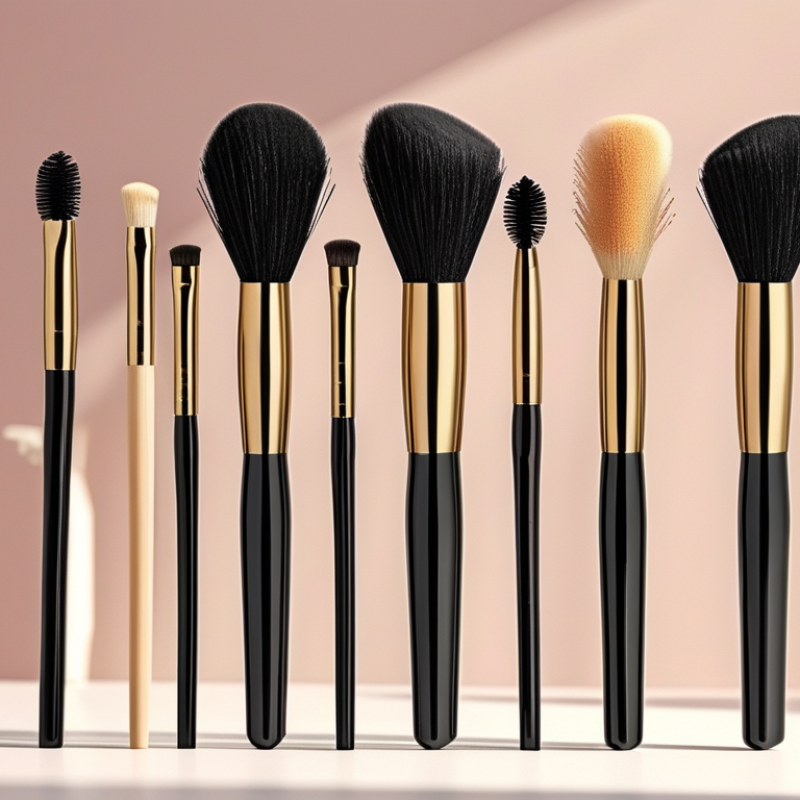
Understanding the Basics of Makeup Brushes: An Overview
Makeup brushes are essential tools in the beauty world. There are two main types: synthetic and natural brushes. Understanding their differences helps makeup enthusiasts choose the right tools for their needs. A 2021 market report noted that 65% of users preferred synthetic brushes for their versatility and low maintenance.
Synthetic brushes, made from nylon or polyester, offer distinct advantages. They are often easier to clean and more affordable than natural brushes. Moreover, they absorb less product, making them ideal for liquid foundations. In contrast, natural brushes are crafted from animal hair. They provide a seamless finish, ideal for powders and blending. However, these brushes require more care and can be more expensive.
Misconceptions exist about the performance of synthetic versus natural brushes. Some people believe synthetic brushes can't provide the same quality finish. However, many professional makeup artists endorse synthetic brushes for their effectiveness. A study by a leading beauty organization indicated a 40% increase in synthetic brush usage among professionals over recent years. The ongoing debate reflects the evolving landscape of makeup tools, where preference often depends on individual comfort and techniques.
Defining Natural Makeup Brushes: Materials and Characteristics
Natural makeup brushes are crafted from animal hair or fibers. Common materials include sable, goat, and pony hair. These fibers have unique textures that can deliver a softer application. The characteristics of natural brushes allow for better blending, especially with powdered products. They are highly absorbent and can hold makeup effectively, which many artists prefer.
When choosing natural brushes, consider their density and shape. A denser brush will provide more coverage, while a looser brush offers a feather-light touch. The bristles can vary in length and softness, which influences how makeup is applied on the skin. However, maintaining these brushes requires care. Regular cleaning is crucial to avoid bacteria build-up.
Tips: If you're new to natural brushes, start with a basic set. This allows you to experiment without overwhelming yourself. Always check if the brushes are ethically sourced. Pay attention to shedding; good-quality brushes should not lose bristles easily.
Exploring Synthetic Makeup Brushes: Composition and Benefits
When diving into the world of makeup brushes, synthetic options stand out for their unique composition and benefits. Made from materials like nylon or polyester, these brushes offer a variety of textures. They are crafted to mimic natural bristles but with improved durability. Synthetic brushes don't absorb makeup products as much as natural ones do, allowing for better control during application.
One primary benefit of synthetic brushes is their versatility. They work well with both liquid and cream products, making them essential for any makeup lover. This quality can be especially helpful when trying to achieve a flawless look. However, they can sometimes feel different on the skin. Some users might prefer the softness of natural brushes instead. This preference is subjective and can vary greatly among individuals.
Another point worth considering is their maintenance. Synthetic brushes are often easier to clean and maintain. They are less prone to harboring bacteria, which can be a concern with natural fibers. Still, users should be mindful of proper cleaning techniques to extend the life of their brushes. The journey to finding the right brush is personal, and what works for one may not suit another.
Comparing Performance: Natural vs. Synthetic Brushes in Makeup Application
When it comes to makeup application, the choice between synthetic and natural brushes can significantly affect performance. Synthetic brushes, often made from nylon or polyester, tend to excel in applying liquid and cream products. Their non-porous fibers minimize product absorption, allowing for a seamless blend. According to a 2022 study by the Cosmetic Materials Institute, about 75% of makeup artists prefer synthetic brushes for liquid foundations. These brushes are also often easier to clean, which helps maintain hygiene.
Natural brushes, made from animal hair, provide a different experience. Many users report that they deliver a softer, more airbrushed finish. However, their performance can vary greatly depending on the type of hair used. A survey conducted in 2023 found that 60% of users felt natural brushes work better with powder products. Nevertheless, natural brushes require careful cleaning to preserve their integrity, often leading to a commitment many makeup enthusiasts struggle to maintain.
It's worth noting that both types have their downsides. Some users may find synthetic brushes less effective for detailed blending, while natural brushes can sometimes irritate sensitive skin. Ultimately, individual preferences play a crucial role in determining the best choice for makeup application. Balancing these factors may lead to more experimentation and reflection on which tools truly suit your technique.
Choosing the Right Brush: Factors to Consider for Your Needs
Choosing the right makeup brush involves understanding various factors that can impact your makeup application. The type of bristles is crucial. Synthetic brushes are often firmer and can work well with liquid products. They are easy to clean and less prone to harboring bacteria. On the other hand, natural brushes, made from animal hairs, offer a softer touch. They tend to blend powders better and feel luxurious on the skin.
According to a report by Statista, the global market for makeup brushes is projected to reach over $2 billion by 2025. This growth reflects a heightened awareness of the importance of tools in makeup application. When selecting a brush, consider your skin type and makeup routine. Some brushes may irritate sensitive skin, necessitating thorough research.
Also, the density and shape of the brush affect application techniques. A denser brush may pack on product, while a fluffier brush diffuses color. Some brushes might require additional investment, but they can enhance your overall look significantly. It’s a reflection of your personal beauty journey.
FAQS
: Synthetic brushes are typically made from nylon or polyester.
They work well with liquid and cream products, enhancing application control.
Synthetic brushes are generally easier to clean and maintain, reducing bacteria risk.
Yes, some users find them less soft compared to natural brushes.
Many prefer synthetic brushes for liquid foundations due to performance.
A survey indicated that 60% of users felt natural brushes perform better with powders.
They often require meticulous cleaning and can irritate sensitive skin.
They absorb less product, which helps with seamless blending.
Proper cleaning techniques are essential to extend the life of any brush.
The right choice varies greatly among individuals and requires personal reflection.
Conclusion
Makeup brushes are essential tools in beauty applications, and understanding their types is crucial for optimal results. The key distinction arises when considering what is the difference between synthetic and natural makeup brushes. Natural brushes are made from animal hair, known for their softness and ability to blend products seamlessly, while synthetic brushes, crafted from materials like nylon or polyester, offer durability and are typically easier to clean.
When comparing performance, natural brushes excel in applying powder products due to their ability to pick up and distribute pigments beautifully. In contrast, synthetic brushes are favored for cream and liquid formulations, as they cause less absorption of the product and are more hygienic. Choosing the right brush involves evaluating personal preferences, the types of makeup being used, and individual skin sensitivities, allowing for a tailored approach to makeup application.

 MVX Beauty